




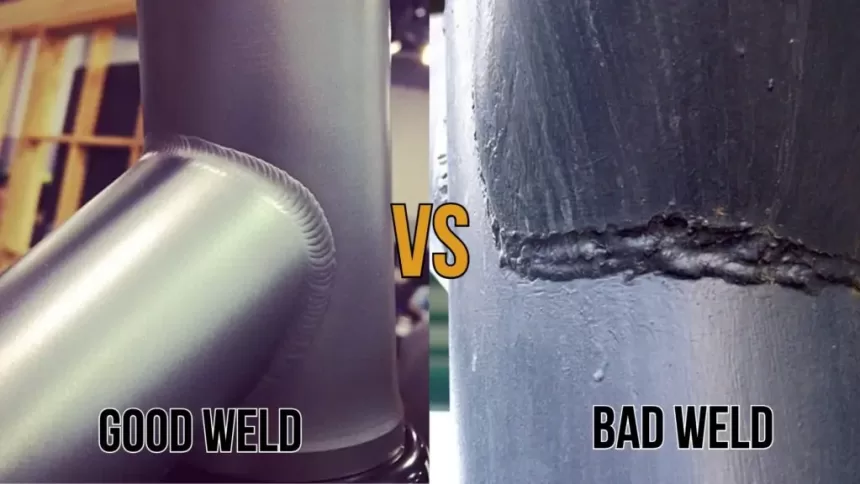
Quality Weld Inspection – Nondestructive Testing
On completion of welding, the satisfactory performance of the welded structure can be determined by the testing procedures. The proof tested procedures to test under conditions similar to more severe…

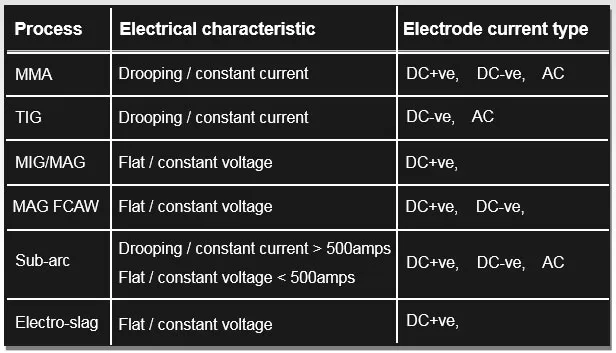
AC vs DC Welding – 5 Reasons Which One is Right for Your Welding Job
Although DC welding is preferred, in some cases AC welding may provide a better solution. In this article, I’m going to open it up a bit and explain why it’s…

Transformer Welder vs Inverter Welder: Which one suits you better?
Electric welding machines have been in use from the last more than a century. As with every technology, these machines are enhanced than in the previous decade. If you want to…
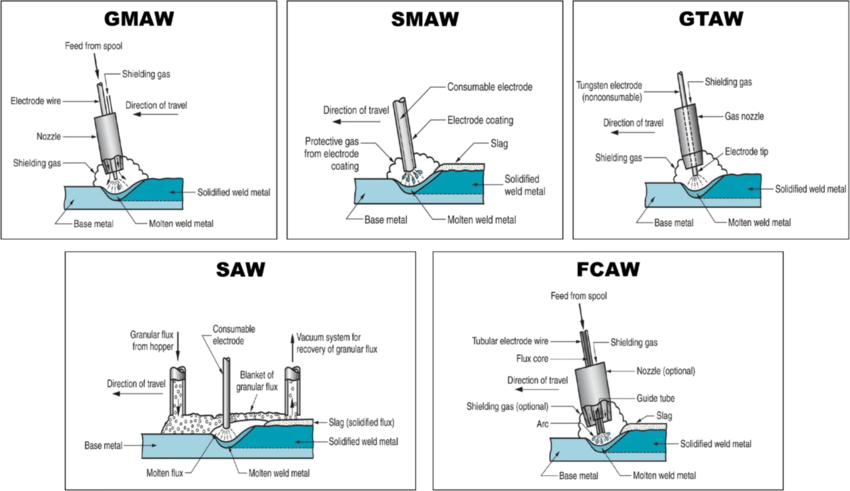
SMAW vs GMAW: What Are the Key Differences?
SMAW (shielded metal arc welding) and GMAW (gas metal arc welding) are two welding processes that have distinct characteristics and applications. SMAW or stick welding uses a consumable electrode coated…

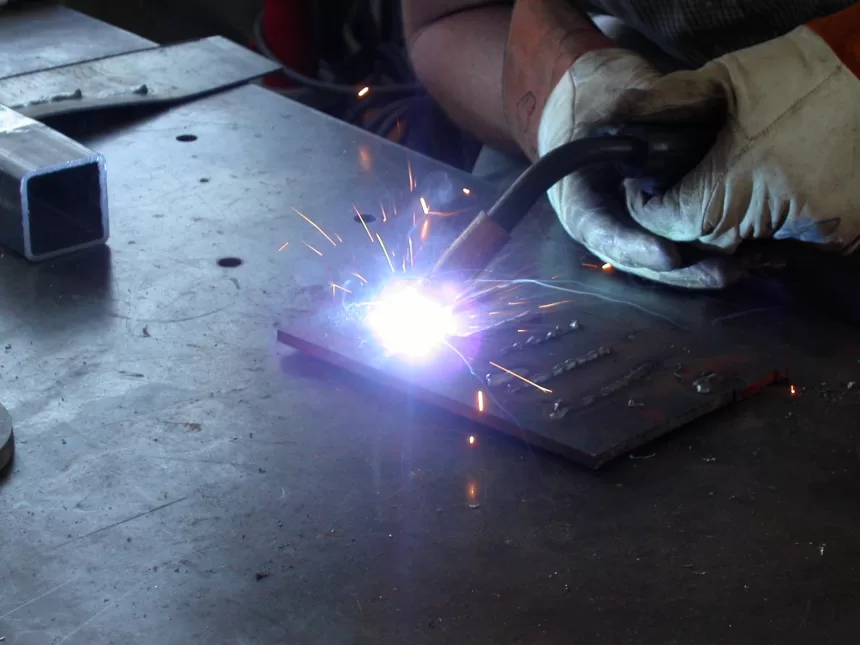
MIG Welding: Definition, Importance, How it Works, and Advantages
Metal inert gas (MIG) welding runs high voltage through a consumable metal wire electrode to heat and fuse metals under a shielding inert gas. It is important to various industries…
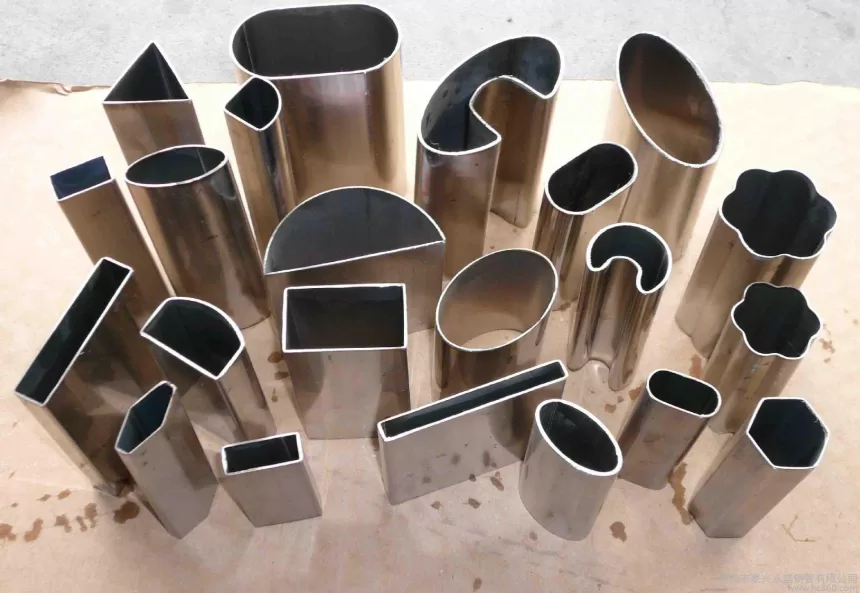
Stainless Steel: Definition, Composition, Types, Grades, Properties, and Applications
Stainless steel is the general name for a family of steels that are corrosion-resistant and contain a minimum of 10.5% chromium. The effect of this minimum level creates a chromium…
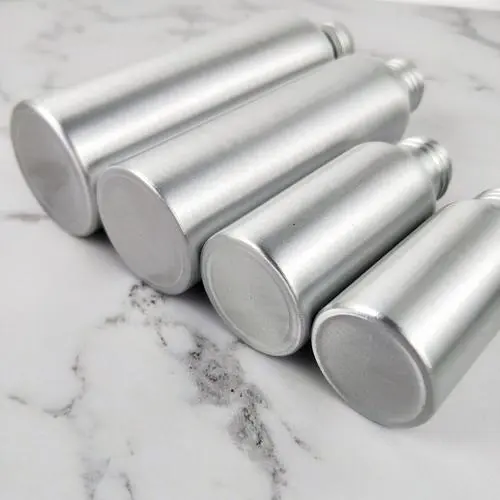
Aluminum: History, Characteristics, Types, Properties, and Applications
Aluminum is one of the most common metals used in the world today. It has several desirable properties such as: excellent strength, ductility, strength-to-weight ratio, and corrosion resistance. While aluminum…
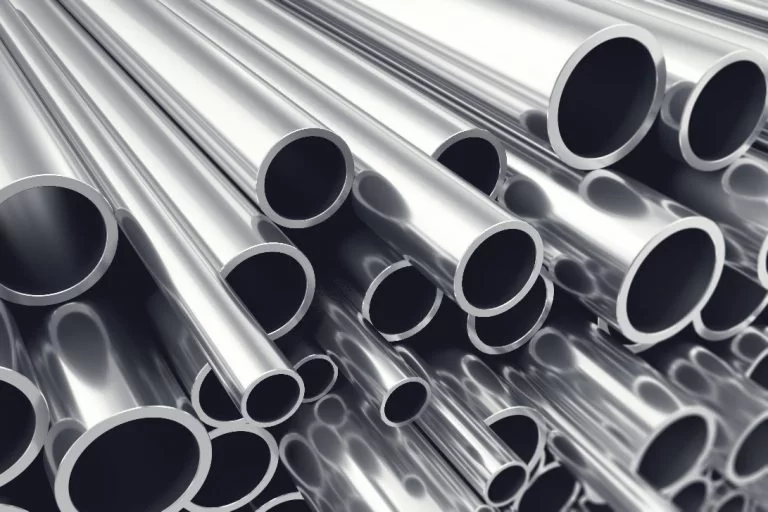
Steel: Definition, Composition, Types, Properties, and Applications
Steel is a strong and versatile metal. It is an alloy consisting of iron with a small amount of carbon and occasionally other elements. The carbon directly influences the steel’s…

Nickel Alloys: Definition, Composition, Types, Properties, and Applications
A nickel alloy is a metal that contains a percentage of nickel in its elemental makeup. Nickel is primarily alloyed with chromium, copper, iron, titanium, and molybdenum. Each of these…
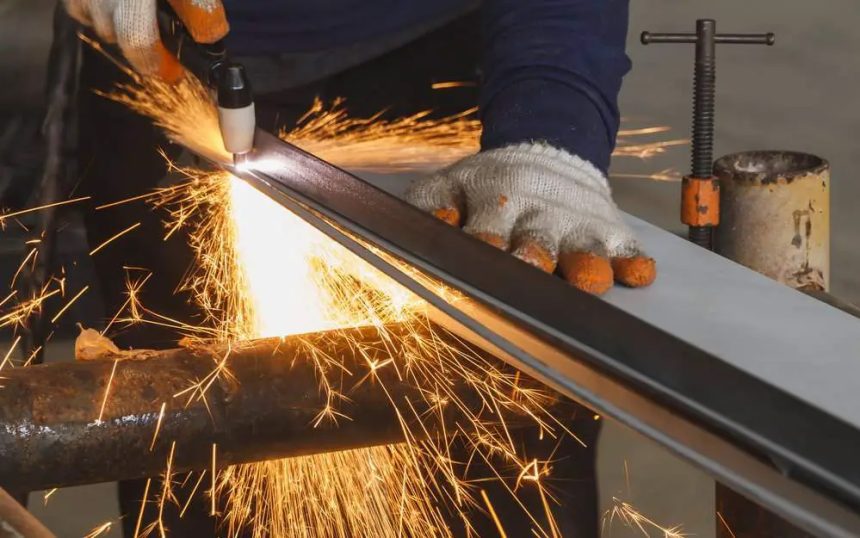
Plasma Cutter What Difference Between High frequency & Non High frequency
When it comes to plasma cutters, two primary types are commonly used: high-frequency plasma cutters and non-high-frequency plasma cutters. Understanding the differences between these two types is essential for a…